
Socotra Island is often regarded as a place like an alien. If you want to have a perfect experience in this paradise with the Dragon's Blood Tree and white sand and clear water, choosing the right Socotra travel season is of vital importance. With warm weather and calmer seas, October to April is the best time to visit Socotra. The summer monsoon brings strong winds and extreme heat.
Want to capture the most vibrant nature? The following Socotra travel guide will explain the best time to visit Socotra Island and help you easily plan an unforgettable Socotra tour.
Table of Contents
Socotra's Climate Overview
Socotra Island is located along the southeastern coast of Yemen and is strongly influenced by the Indian Ocean monsoon. Socotra's climate is classified as a tropical desert climate, according to the Köppen climate classification.
This leads to the Socotra weather being hot and dry. The average temperature in Socotra remains above 25 °C (77 °F) throughout the year, and the annual precipitation is generally very low.
Tropical Desert Climate
Socotra has a dry climate, typical of the tropical desert climate. The coastal areas often experience daytime temperatures ranging between 27 °C and 37 °C (80 °F to 99 °F). The temperature is lower in inland and mountainous areas.
The overall rainfall is very low, with an average annual rainfall of about 150-300 millimeters. However, due to the influence of mountainous terrain, the rainfall in high mountain areas can reach up to 1000 millimeters. The distribution of precipitation is not even, mainly influenced by the monsoon.
Monsoon Seasons
May to September is strongly influenced by the summer monsoon, which brings hot, dry, and extremely strong winds, making it the most challenging season on Socotra Island.
Due to the strong wind and high waves, the risks of water activities, such as swimming, diving, and going out to sea, increase. Hiking and camping can also be very difficult. For travelers, these months are usually the off-season for tourism, and flights to Socotra Island are often temporarily suspended.
November to January is the rainy season, and the northeast monsoon brings relatively cool winds and higher precipitation. At this time, the vegetation is greener, which is very good for hiking and nature exploration.
October and February to April are some of the ideal times to travel to Socotra because at this time, the climate is mild with moderate rainfall and relatively calm seas. It is also perfect for activities, such as sightseeing, trekking, diving, and watching bottle trees bloom.
Key Seasons of Socotra Island
Socotra has three main seasons: the off-season (monsoon season), the shoulder season, and the peak season. Each season has a significant impact on the travel experience. The best time to visit Socotra is from October to April.
It is not recommended to travel during the monsoon season (June - September), and outdoor activities will also be severely restricted. Flights and tour groups are mostly suspended. Socotra tours usually last until mid-May. But after mid-May, visiting Socotra became less pleasant. Continue reading to see when to visit Socotra.
| Season | Time Frame | Key Characteristics | Best For | Considerations |
|---|---|---|---|---|
| Peak Season (Dry & Mild) | Oct - Apr, esp. Jan-Mar | Mild temps, low rain, calm seas, lush greenery post-monsoon. | Trekking, beach time, snorkeling, and photography. | The most popular and ideal times. |
| Shoulder/Hot Season | May | Rising heat, fantastic sea conditions. | Beach activities, diving. | Extreme heat for inland hikes. |
| Monsoon Season | Jun - Sep | Very strong winds, rough seas, some closures, peak heat. | Wind-based water sports only. Not recommended for general travel. | Many tours don't operate; travel can be difficult. |
Best Time to Visit Socotra: Dry Season (October to April)
Weather and Conditions (October to April)
October to April is the best time to visit Socotra Island, with the most stable weather throughout the year. During these months, the summer monsoon has basically ended. Socotra's weather is mainly warm and dry from October to April.
The daytime temperature usually ranges from 25 °C to 31 °C (77 °F to 88 °F). Coastal areas are also relatively comfortable. It is relatively cool at night. There is generally less rainfall from October to April. Occasional rainfall makes the canyons and vegetation on the island more beautiful.
Why This is the Peak Season
As the best time to go to Socotra, October to April almost covers its most ideal nature with stable sea conditions and high visibility, which are suitable for snorkeling, diving, and coastal activities. Socotra hiking and Dragon's Blood Tree visiting are also safer and more comfortable.
Perfect for Exploration: The monsoon has ended, making it suitable for in-depth exploration of Socotra. Whether it's hiking the Diksam Plateau, crossing canyons, or visiting sand dunes and bottle trees, you won't be affected by extreme heat or strong winds.
Prime Beach and Marine Time: The sea conditions are relatively stable, with small waves, clear seawater, and high visibility, which means it's very suitable for water activities, such as snorkeling and diving. Shuab Beach, Amoak Beach, and other places are both safe and extremely beautiful during this period. The sea temperature ranges from 23 °C to 28 °C (73 °F to 82 °F), making it the most ideal time to enjoy the ocean.
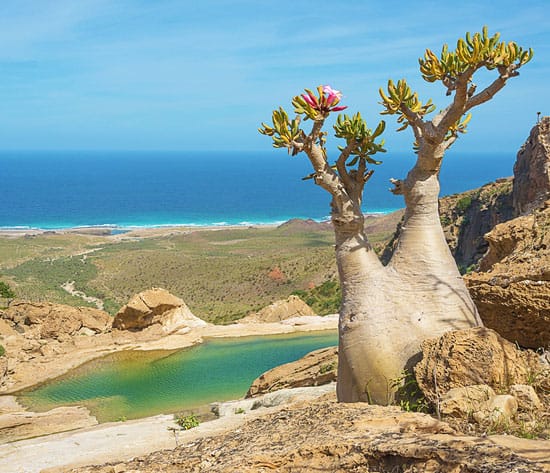
Photography & Nature: After the monsoon, the vegetation on Socotra becomes more beautiful, and it becomes easier to explore the nature. March to April is the flowering season of the bottle trees.
Monthly Breakdown
October - December: Socotra's weather in October becomes more pleasant. The highest temperature during the day is usually around 30 °C to 31 °C (86 °F to 88 °F), and it is more comfortable at night. November and December are usually the months with the highest rainfall.
January - March: This is a very good time for a Socotra tour. The weather in Socotra from January to March is the most comfortable, with temperatures between 22 °C and 32 °C (72 °F to 90 °F). The seawater temperature is moderate and suitable for water activities.
April: The temperature starts to rise slightly in April, with daytime highs reaching around 32°C to 34°C (90°F to 93°F) and nighttime temperatures dropping to around 24 °C (75 °F). It hardly rains in April.
Socotra's Challenging Monsoon Season (May to September)
The period from May to September on Socotra Island is the typical monsoon season and the most challenging time of the year for Socotra tours. Socotra is strongly influenced by the southwest monsoon season, with very strong winds, especially in coastal areas.
The sea was wild, bringing great difficulties to water transportation, diving, and beach activities. Some attractions may be difficult to visit. But if you enjoy surfing, July and August would be very suitable. From July to August, turtles will hatch on the beach.
Choosing Your Time: A Goal-Based Guide
Visiting Socotra is strongly affected by the monsoon, and the scenery, sea conditions, and travel costs vary greatly in different seasons. Therefore, choosing the Socotra island tour time depends on what you want. The following is a Socotra travel guide based on different travel goals and interests.
For Hikers, Trekkers, and Landscape Explorers
Best months: January to March.
For those travelers who love hiking and nature exploration, January to March are the best Socotra hiking months. From January to March, the average daytime temperature is usually around 25 °C (77 °F), which is very suitable for trekking. You can easily climb the Hajhir Mountains and cross the Dixam Plateau filled with Dragon's Blood trees.
Avoid the scorching heat of May and the windy monsoon. At high temperatures, not only is it easy to become exhausted, but you may also suffer from heatstroke. The monsoon season on Socotra Island is usually accompanied by strong winds. Hiking in sand dunes, canyons, and mountains may be affected by sandstorms, which can affect visibility and travel safety.
For Beach Lovers, Snorkelers, and Divers
Best months: September to April, when the sea is calm and clear.
Socotra Island boasts unspoiled coral reefs, beaches, and a riot of colorful marine life. If you want to swim in the azure waters or explore the rich underwater world through diving and snorkeling, then September to April is the perfect Socotra snorkeling season.
Starting from mid-May, strong southwest monsoons will come to Socotra Island, causing high waves. Going out to sea by boat and snorkeling will be unsafe or unenjoyable. In September, the monsoon subsided, and the sea returned to calm. Then you can enjoy the ocean or relax on the beach in the sun.
For Photographers Seeking Unique Shots
Best months: October to April.
For photographers, October to April is an excellent time for tours to Socotra.
From October to April, dry, sunny weather and moderate wind make it very suitable for shooting the unique landscapes. The bottle trees and dragon's Blood trees are in their best. The sea is calm, and the underwater visibility is high, allowing you to photograph beautiful sea views and various marine life. October to April is also good for hiking deep into canyons and sand dunes, without weather restrictions.
For the Budget-Conscious Traveler
Best months: May to September.
May to September are shoulder months for a Socotra island tour with lower prices. Due to the strong monsoon and high waves, many tour packages, activities, and flights will be reduced or suspended, so there will be very few tourists. The south coast is calmer than the north coast. You can visit the central and southern parts of Socotra Island. However, it is highly not recommended to travel to Socotra from June to August due to strong winds and dangerous waves.
Socotra Weather by Month
| Month | Weather | Key Attractions | Travel Advice |
|---|---|---|---|
| January | Mild, cool nights, less rainfall, calm seas | Hiking, swimming, snorkeling | Peak season, plan ahead |
| February | Mild, dry | Photography, trekking, snorkeling, camping | Good for nature explorers |
| March | Warm, lovely outdoor scenes | Bottle trees' flowers, dragon blood trees, and beaches | Ideal for seeing bottle trees and outdoor adventures |
| April | Hot, gentle winds | Beaches, snorkeling, coastal views | Good for shorter stays; protect from sun and wind |
| May | Very hot, windy | Diving and snorkeling are still possible | Prepare for heat and wind |
| June | Monsoon starts | Surfing | Not suitable for most visitors. |
| July | Heavy monsoon, strong winds, high waves | Surfing | Avoid travel |
| August | Severe monsoon | Surfing | Travel not recommended |
| September | Post-monsoon | Post‑monsoon greenery; fresh scenery | Fewer crowds, Flight resumption |
| October | Pleasant, green plants | Trekking, beaches | Excellent travel time with mild weather. |
| November | Steady, mild weather | Fishing, trekking, photography | Great weather for activities |
| December | Sunny sky, calm seas | Beaches, trekking, culture | Busy period |
Essential Socotra Travel Tips for Any Season
1. Plan Ahead: Flights to Socotra Island are very limited, with only a few flights per week to Socotra. So for your Socotra tour, you need to book your flights and accommodations in advance, especially during the peak season (October-April). Flights during peak season are usually fully booked quickly. The flight from May to September may be reduced or temporarily suspended. It is also necessary to confirm in advance. A visa is required to enter Socotra. On our Socotra tours, we will handle the entire visa application process for you, which takes a few days.
2. Book a Guided Tour: Although the idea of traveling alone is appealing, exploring Socotra alone is extremely difficult. Flight tickets and visas need to be booked and processed through licensed travel agencies. Apart from the capital city of Hadibo, there are limited accommodation facilities on the island and no internet access.
In addition, there is a lack of public transportation on the island, and some areas require 4x4 transport. Socotra private tours usually offer local drivers and professional guides to help you travel to those hard-to-reach, hidden gems and learn about local customs.
3. What to Pack: Wear lightweight and breathable clothing such as short sleeves, quick-drying clothes, shorts, sandals, etc. Pants and thin jackets are suitable in the morning and evening when it's slightly cool, or for sun protection while hiking. Hats and sunglasses protect you from the sun. Socotra Island tours usually require hiking. It is recommended to bring a pair of sturdy walking shoes or hiking boots. If you are a photography enthusiast, a camera is a must, even a drone. Others include a first aid kit, power banks, wearable water bottles, etc.
4. Check the Ramadan Calendar: The majority of the residents on Socotra Island are Muslims. During Ramadan, local Muslims will fast from sunrise to sunset. Although fasting is not usually required as a visitor, checking the Ramadan dates in advance allows you to plan your trip smoothly and respect the local culture. Ramadan in 2026 is from February 17th to March 18th.
Socotra's Natural Wonders Throughout the Year
Socotra, an isolated island hailed as the "Galapagos of the Indian Ocean", is renowned worldwide for its otherworldly landforms and unique biodiversity.
Dragon Blood Tree
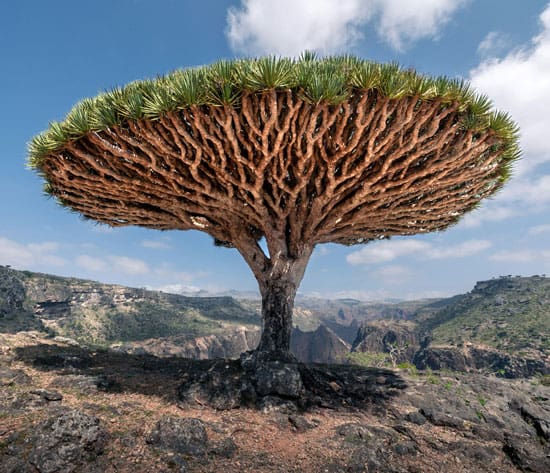
The Dragon Blood Tree is a must-see landscape for Socotra adventure tours, known for its umbrella-shaped canopy. When it is cut, it will secrete a dark red resin. The Dixam Plateau is the last dragon blood tree forest on Earth. When you travel to Socotra, you can camp at the Dixam Plateau and take pictures of the Dragon's Blood Tree with the starry sky as the background.
Socotra Desert Rose
The Socotra bottle tree is also one of the most iconic natural landmarks in Socotra. The bottle tree is a drought-resistant plant with a swollen, thick trunk for storing water. Its pink flowers bloom from February to April, adding vibrant colors to Socotra.
Socotra's Beaches
Want to have a relaxing experience during the Socotra island tour packages? Socotra boasts pristine and unspoiled beaches. Many beaches, such as Detwah Lagoon, Qalansiyah Beach, and Shoab Beach, are surrounded by magnificent cliffs and blue waters, creating a postcard-like place for relaxation or exploration.
Wildlife
Due to long-term isolation, Socotra Island has many species unique to Earth. The surrounding waters of Socotra are rich in marine life, including coral reefs, tropical fish, sea turtles, and dolphins. Socotra Island is home to approximately 200 species of birds, which makes Socotra a great spot for birdwatching.
FAQs about Socotra Travel Season
1. Is it safe to travel to Socotra Island?
Yes, visiting Socotra is absolutely safe. Socotra Island is one of the safest areas within Yemen, far away from the war in mainland Yemen.
2. Can I visit Socotra in summer?
It is not recommended to travel to Socotra in summer because of strong monsoons, huge waves, and extremely high temperatures. During this period, most flights, tours, and water activities are unsafe.
3. How far ahead should I book my Socotra trip?
We recommend booking Socotra guided tours 4 to 6 months in advance.
4. What's the weather like in Socotra in November?
Socotra's weather in November is mild and dry, with a daytime temperature of about 30 °C (86 °F ). The night is cool, and the temperature will drop to about 22 °C (72 °F ).
5. What's the weather like in Socotra in January?
January is one of the best times to visit Socotra. January is cool and dry, with temperatures around 28 °C to 29 °C (82 °F to 84 °F) during the day, and the nights are cooler. The sea remains calm.
Plan Your Trip to Socotra Island with Hi Five Trip
The best time for visiting Socotra is from October to April, with pleasant weather, calm seas, and the most beautiful landscapes. Are you ready to embark on a Socotra adventure tour? Browse our Socotra guided tours.
Whether you want to relax on the beach or visit the Dragon's Blood tree, you just need to choose when to visit Socotra. You don't need to worry about booking flights, processing visas, or accommodation issues; leave these to our professional Socotra guided tours.


Have a Question?
You might see your comment appear on this page, but your email address and full name will not be published. Your personal information will remain confidential. Our Asia travel experts will get back to you as soon as possible. Required fields are marked *