
January is an ideal time to explore the charm of winter in Japan. Hokkaido, known as a paradise of powder snow, has an average temperature ranging from -7°C to -1°C (19°F to 30°F).
The temperature in Honshu regions such as Tokyo and Kyoto remains between 2°C and 10°C (35.6°F to 50°F), and it is sunny and dry, making it suitable for sightseeing. Okinawa offers a mild climate ranging from 15°C to 20°C (59°F to 68°F).
For travelers planning a visit to Japan in January, this article provides a practical guide to learn about Japan weather in January, the best destinations to visit, suggested itineraries, crowd and cost considerations, and packing tips.
Table of Contents
Japan Weather in January Overview
January in Japan is in the height of winter, and most parts of the country are immersed in cold air. The average temperature is roughly between 2°C and 10°C (35°F to 50°F). Influenced by its long and narrow terrain from north to south, Japan's climate varies greatly, ranging from the snowy Hokkaido to the cool Okinawa.
January is not only the coldest month in Japan but also the driest, with an average rainfall of just around 67 millimeters and approximately 20 sunny days. The clear weather provides more opportunities to admire Mount Fuji.
Regional Weather in Japan in January
Japan's unique geographical location and topographic features result in significant climate differences from south to north. The north is even colder, with temperatures often dropping below 0°C (32°F), accompanied by heavy snowfall. Hokkaido, the northernmost island of Japan, is the best destination for experiencing snow and skiing in Japan.
Central Japan is also cold, but the average temperature is from 5°C (41°F) to 10°C (50°F), higher than that of Hokkaido, with less snowfall. The southern regions of Japan are the warmest in January, with temperatures usually above 10°C (50°F) and almost no snow.
January Climate and Temperature in Major Cities
| City | Daily Low | Daily High | Rainfall/Snowfall |
|---|---|---|---|
| Sapporo | -6°C (21°F) | 0°C (32°F) | 114 mm (4.5 in) |
| Aomori | -4°C (25°F) | 2°C (35°F) | 145 mm (5.7 in) |
| Tokyo | 2°C (35°F) | 10°C (50°F) | 57 mm (2.2 in) |
| Kyoto | 2°C (35°F) | 9°C (48°F) | 52 mm (2.0 in) |
| Osaka | 3°C (37°F) | 10°C (50°F) | 45 mm (1.8 in) |
| Nara | 0°C (32°F) | 10°C (50°F) | 50 mm (2.0 in) |
| Hakone | -3°C (28°F) | 8°C (46°F) | 54 mm (2.1 in) |
| Hiroshima | 2°C (35°F) | 8°C (46°F) | 46 mm (1.8 in) |
| Fukuoka | 3°C (37°F) | 10°C (50°F) | 68 mm (2.7 in) |
| Okinawa | 15°C (59°F) | 20°C (68°F) | 143 mm (5.6 in) |
January in Northern Japan (Hokkaido, Tohoku)
Hokkaido and the Tohoku region are the most classic places to experience winter and heavy snow in Japan. In addition to skiing, you can also take part in snowmobiling and enjoy ice sculptures. The Sapporo Snow Festival in Sapporo begins to prepare in late January and takes place in early February.
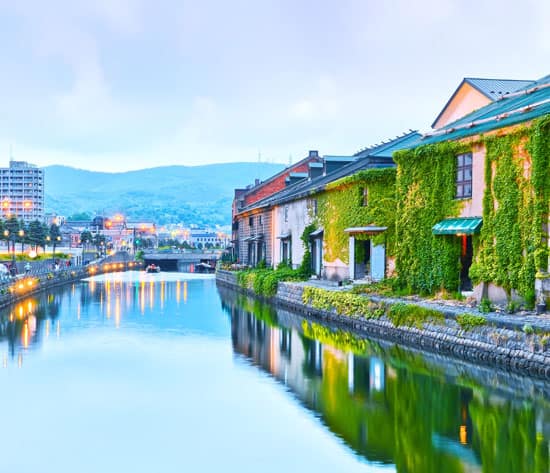
Otaru looks more like a fairy tale world when the Otaru Canal and the warehouses standing on both banks of the canal are covered with snow.
The cold air brought by the Siberian winds forms a large amount of snowfall on the side of the Sea of Japan. Hokkaido is a paradise for skiing enthusiasts. Ski resorts, such as Niseko and Furano Ski Resort, have extremely low moisture content in the snow, which is known as the dry "powder snow". While skiing down the slope, you can also enjoy the scenery of distant snow-capped mountains.
Winter is a good time to observe wild animals. In Kushiro, you will see cranes coming out to look for food. On an Abashiri Drift Ice Cruise, you might be lucky to see seals, steller's sea eagles, Hokkaido deer, and more wildlife.
January in Central Japan (Tokyo, Kyoto & Osaka)
Tokyo, Kyoto, and Osaka are the core of the central region and the most popular cities among tourists. The weather is mainly sunny and dry with occasional snowfall. Although not as cold as the northern islands, you still feel cold. Fortunately, there is less snow and less extreme bad weather, which will not affect your Japan tour.
Tokyo in January offers more sunny days than in other seasons. It is easier for you to see Mount Fuji from the city, such as from the observation decks of Tokyo Skytree or Tokyo Tower. In cold weather, heading to a warm restaurant and savoring steaming hot ramen or Japanese hot pot is also an unparalleled enjoyment.
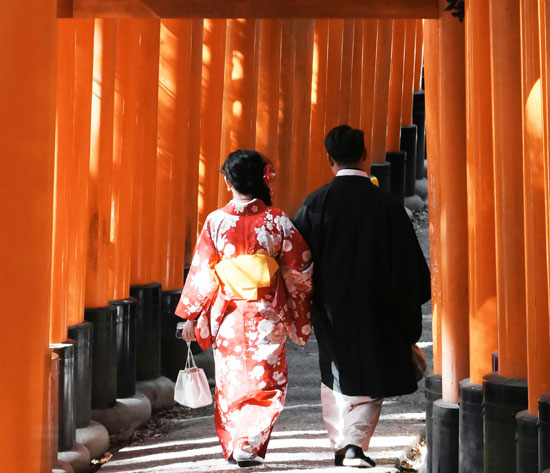
In Kyoto, the beautiful and peaceful scenery of ancient temples after snow, such as the Golden Pavilion Temple and Fushimi Inari Shrine, is a highlight of winter attractions in Japan. At the Jigokudani Monkey Park in Nagano, you can enjoy a unique experience of Japanese macaques soaking in hot springs.
January in Southern Japan (Okinawa, Kyushu)
In January, Okinawa and Kyushu are far from the cold winter, boasting a mild and comfortable climate with no snow and less rain. These make them ideal winter escape spots in Japan. Okinawa is the warmest region in the south, with an average temperature in January ranging from 15°C to 20°C (59°F to 68°F).
Even in Okinawa in January, diving is not too cold. You may even find that the water temperature is slightly higher than the air temperature, averaging around 20-23°C (68-73°F). If you easily feel cold and don't want to engage in water sports, you can also enjoy relatively quiet, less crowded beaches.
6 Best Places to Visit in Japan in January
Whether you are chasing after powder snow, yearning to admire snow-capped mountains from a hot spring, or seeking a place to escape the cold, January can fulfill your expectations. Here are 6 of the best winter destinations in Japan for January, where you can experience the charm of winter in Japan.
1. Tokyo: New Year & Cultural Charm
The New Year holiday in Japan usually starts on December 29th and lasts until January 3rd.
Major temples and shrines in Tokyo, such as Meiji Shrine and Asakusa Sensoji Temple, welcome people who participate in the "New Year's Hatsumode" (the first visit to a shrine or temple during the New Year). You can see people praying for the new year. This is a great time for you to experience traditional Japanese culture.
Although winter in Tokyo is cold, it offers a wide range of indoor activities and spaces, so you don't have to worry about the weather at all. TeamLab Planets creates an immersive art museum with digital technology, allowing visitors to wander through a sea of flowers interwoven with light and shadow. For families with kids, the indoor museums of Ueno Park and the Ghibli Museum in Mitaka are all good choices.
The New Year is one of the busiest travel times in Japan. The peak tourism season during the New Year holiday makes it difficult to book tickets and hotels in early January. If you start traveling to Japan during the New Year, remember to book train tickets, flight tickets, and hotels in advance. Please note that some shops and restaurants may close for rest during the New Year period.
2. Shirakawa-go: Snowy Village Magic
If there is a place that can bring the winter snow scenery of Japan to its peak, it is undoubtedly the UNESCO World Heritage Site - Shirakawa-go. Shirakawa-go is renowned for its unique "gassho-zukuri" (thatched-roofed houses) architecture.
The average temperature in Shirakawa-go in January ranges from -5 ° C to 2 ° C (23 ° F to 36 ° F), and snow depth can reach 2-3 meters. The thick snow of January covered the entire village, and the thatched houses with steep roofs looked like illustrations in fairy tales.
The most anticipated event is undoubtedly the winter illumination events in Shirakawa-go (usually held on weekends and holidays in January and February). The lights create an incredibly dreamy and romantic atmosphere.
3. Mount Fuji: Clear Skies & Iconic Winter Vistas
The average temperature of Mount Fuji in January ranges from -6 ° C to 5 ° C (21 ° F to 41 ° F), with the summit covered in thick snow. January is one of the best times to admire Mount Fuji. The dry and cloudless weather provides high visibility.
Whether from the high buildings within Tokyo or from the lakes and Oshino Hakkai around Mount Fuji, you have a great chance to enjoy the unobstructed panoramic view of Mount Fuji.
One of the best places to view Mount Fuji is in the Fuji Five Lakes area, among which Lake Kawaguchi offers the most expansive view. For photography enthusiasts, winter is a great time to capture the reflection of Mount Fuji on the lake's surface. When shooting Mount Fuji in winter, the light in the early morning and at dusk is the softest and most suitable for photography.
Warm hot springs are available around Mount Fuji. You can soak in the open-air hot springs and enjoy the snow-capped Mount Fuji in the distance.
4. Hakone: Japanese Onsen Getaways
Hakone is one of Japan's top hot spring resorts. And on a cold January, there is nothing more pleasant than soaking in warm, natural hot springs. You can enjoy the winter mountain scenery while soaking in the hot spring water. Some hot spring hotels offer views of Mount Fuji.
This is an immersive culture experience to stay overnight at a traditional onsen ryokan (traditional Japanese inn) and experience tatami mats, Japanese gardens, kaiseki (traditional Japanese multi-course meal), and hot-spring baths.
Apart from soaking in hot springs, the natural scenery of Hakone in winter is also worth exploring. Take the Hakone Ropeway to Owakudani to enjoy the sulfur vents and volcanic landscape. Along the way, you can admire the snow-covered forests. Take a cruise on picturesque Lake Ashi and enjoy the serene winter views.
5. Hokkaido: Powder Snow Paradise for Winter Sports
Hokkaido is one of the world's top ski resorts. Hokkaido in January is at the peak of skiing season. Abundant snowfall creates a paradise for powder snow skiing, with 15 meters of snow a year in top ski resorts, like Niseko.
The ski resorts in Hokkaido each have their own unique features. Niseko is one of the most famous ones, featuring four interconnected ski areas suitable for skiers of all levels. Both Furano and Rusutsu are ideal for families. After skiing, you can also go to a hot spring at the resorts to take a hot bath to relieve fatigue.
For tourists who don't ski, January in Hokkaido is also full of fun. At Asahiyama Zoo, you can see the iconic "penguin walk". Noboribetsu Onsen, Lake Toya, and other hot spring resorts can make you feel warm and relaxed in the cold winter in Japan.
6. Okinawa: Mild Winter Escape by the Sea
If you want to escape the severe cold of the north, then Okinawa, located at the southernmost tip of Japan, will be your best choice. The climate in Okinawa in January is mild, and it is very suitable for sightseeing.
January is also the best time to observe whales in Okinawa. You can take a whale-watching boat tour to witness the spectacular scene of these ocean giants jumping out of the water up close.
Even in January, you can enjoy the beautiful beach. Although it's not very suitable for swimming at this time, you can take a walk and sunbathe by the seaside. Explore Ryukyu culture and history by visiting Shuri Castle and Ryukyu Mura.
Okinawa is the first place in Japan to see cherry blossoms in full bloom, and there is a chance to see early cherry blossoms from mid-January. The unique "kanhizakura" will bloom with deep pink flowers. Recommended cherry blossom viewing spots include Nakijin Castle Ruins, Nago Central Park, and Mt. Yaedake.
Things to do in Japan in January
Ski in Japan
January is the best time to visit Japan for skiing. Hokkaido, Nagano, Niigata, and Tohoku are the top places to ski in Japan. Hokkaido and Nagano are the two most famous skiing regions in Japan. The Zao Onsen Ski Resort in Tohoku is famous for its "snow monster" (tree ice) landscape, where you can enjoy unique natural wonders while skiing.
The peak season means that the price of skiing is higher and it's more crowded in January, especially at popular ski resorts. It is recommended that you book the ski resort and hotel at least 6 months in advance.
Soak in a Hot Spring
In the cold January in Japan, soaking in a Japanese hot spring is the most healing experience. Japan's hot spring resources are distributed throughout the country, and hot springs in different regions are distinctive.
Kusatsu Onsen is one of the three major hot springs in Japan. Beppu in Kyushu is renowned for its hell landscape and rich variety of hot springs.
If you plan to depart from Tokyo, a one-day hot spring tour to Hakone is a great choice. Not only can you enjoy the hot springs, but you also have the opportunity to overlook the magnificent snow scenery of Mount Fuji on clear days.
If you travel to Hokkaido, Noboribetsu Onsen is a must-visit place, with nine different types of springs, such as sulfur springs and salt springs. You can visit the nearby Noboribetsu Jigokudani (Hell Valley), with a view of the sulfurous crater.
Illumination Events & Local Festivals
In winter, various illumination events and light shows are held throughout Japan, such as Tokyo Dome City, Shinjuku, Yebisu Garden Place, Decks Odaiba, and Marunouchi Illumination.
January is the time to experience traditional Japanese culture. People will go to shrines and temples to pray for blessings during the New Year. Tokyo's Sensoji Temple, Meiji Shrine, and Kyoto's Fushimi Inari Shrine are all bustling with people.
Indoor Fun in Cold Weather
In January, Japan is quite cold, which makes indoor activities an attractive choice for many people. Tokyo has numerous world-class museums, art galleries, and indoor theme parks, such as Legoland Discovery Center in Odaiba and Sanrio Puroland in Tama City.
In Osaka, you can observe marine animals at Osaka Aquarium Kaiyukan or discover local cuisine at Kuromon Market. Kyoto offers tea ceremony and kimono experiences in a traditional Machiya house and shopping at arcade-covered Teramachi Street.
Crowds and Costs for Visiting Japan in January
January is usually the off-season for tourism in Japan, except for the New Year holiday. Popular ski resorts in Hokkaido and other places are exceptions. As January is the golden season for skiing, prices remain at a high level throughout the month, and the crowds are also relatively large.
If you are seeking discounted prices and a peaceful travel experience, schedule your Japan tour after the New Year holiday or visit a non-popular ski resort.
Recommended Japan January Itineraries
9-Day Japan Classic Tour
This Japan tour covers the core cities and natural landscapes in central Japan, blending with cultural immersion and winter experiences.
Tokyo (Day 1-3): Meiji Jingu Shrine, Tsukiji Outer Market, Sensoji Temple, Akihabara, Tokyo Tower, Ginza, teamLab Planets, Odaiba
Mount Fuji (Day 4): Oshino Hakkai, Arakura Fuji Sengen Shrine, Lake Kawaguchi
Hakone (Day 5): Lake Ashi, Owakudani, Hakone Open-Air Museum, hot spring
Kyoto (Day 6-7): Kinkaku-ji Temple, Nijo Castle, Nishiki Market, Fushimi Inari Shrine, Arashiyama
Osaka (Day 8-9): Osaka Castle, Shinsaibashi, Dotonbori, Kuromon Market
7-Day Hokkaido Skiing Tour
This itinerary is designed specifically for skiing enthusiasts, covering top ski resorts, hot spring resorts, and winter natural scenery in Hokkaido.
Sapporo (Day 1-2): Odori Park, Shiroi Koibito Park, Tanukikoji Shopping Street, Sapporo Clock Tower
Otaru (Day 3): Otaru Canal, Kitaichi Glass, Otaru Music Box Museum, Sankaku Market
Noboribetsu (Day 4): Noboribetsu Jigokudani (Hell Valley), hot spring
Lake Toya (Day 5): Sightseeing around Lake Toya, hot spring
Niseko (Day 6-7): Skiing at Niseko
What to Pack for Traveling in Japan in January
Make sure to keep warm during the Japan winter tour. In Hokkaido, the temperature is below 0°C (32°F) with heavy snowfall, so thick winter clothing is needed. Although Okinawa in the south is relatively mild, it is still necessary to bring some sweaters and light coats. Wearing layered clothing is crucial for adapting to the weather in Japan in January.
For base layers, bring thermal underwear and pick thick wool sweaters as mid layers. The outer layer needs a waterproof, windproof down jacket. Accessories are also indispensable in the colder northern regions, such as a knit hat, a scarf, gloves, and wool socks. Waterproof and slip-resistant boots are better suited for rainy and snowy weather.
FAQs on Japan Weather in January
1. Does it snow in Japan in January?
Yes. Snowfall is the norm in many parts of Japan in January. In northern Japan, the Hokkaido and Tohoku regions have the most frequent and heavy snowfall. In central Japan, cities such as Tokyo and Kyoto receive less snowfall. Warm southern islands, like Okinawa, do not snow.
2. How cold is Japan in January?
Japan weather in January is extremely cold, making it the coldest month of the year. The average temperature is approximately between 2°C and 10°C (35.6°F to 50°F), but there is a huge temperature difference between the north and the south.
3. Is January a good time to visit Japan?
Yes, January is a great time to visit Japan, especially for travelers who don't like crowds. The number of tourists is relatively small, so you can enjoy the scenic spots in a peaceful atmosphere. The flight and accommodation prices (except for the New Year holiday and ski resorts) are also more cost-effective. Although the weather is cold, you will experience unique snow scenery, warm hot springs, lively New Year celebrations, and clear Mount Fuji.
Enjoy Your Japan Trip with Hi Five Trip
Embark on your Japan tour with Hi Five Trip! From booking ski resorts and hot springs to planning itineraries, our Japan tour packages can meet your needs and help you avoid troubles during the trip, allowing you to easily enjoy the unique charm of Japanese winter.

Have a Question?
You might see your comment appear on this page, but your email address and full name will not be published. Your personal information will remain confidential. Our Asia travel experts will get back to you as soon as possible. Required fields are marked *